
Planning balanced meals can sometimes feel overwhelming, especially with busy schedules and a flood of nutrition advice. But creating nourishing, well-rounded meals doesn’t have to be stressful or complicated. With some practical strategies and a bit of preparation, you can enjoy healthy eating that fits your lifestyle. In this guide, we’ll walk through easy steps to help you plan balanced meals without the hassle.
What Is a Balanced Meal?
Before diving into meal planning, it’s helpful to understand what a balanced meal includes. A balanced meal typically contains:
– Protein: Supports muscle health and keeps you full. Examples include chicken, beans, tofu, fish, or eggs.
– Vegetables: Provide essential vitamins, minerals, and fiber.
– Whole Grains or Starches: Offer energy and fiber; examples are brown rice, quinoa, whole wheat bread, or sweet potatoes.
– Healthy Fats: Important for brain function and satiety; sources include olive oil, nuts, seeds, and avocado.
Together, these components help fuel your body and maintain overall wellness.
Start with Simple Meal Planning Steps
1. Set Realistic Goals
The first step to stress-free meal planning is setting achievable goals. You don’t need to prepare gourmet dishes every day. Focus on meals that are balanced, satisfying, and easy to prepare. If you’re new to meal planning, start with planning a few meals each week rather than the entire week.
2. Choose Your Favorite Ingredients
Planning meals around ingredients you enjoy will make cooking more enjoyable and reduce the chance of food waste. Pick proteins, veggies, and grains you like and are comfortable preparing. This approach helps build confidence and keeps mealtime pleasant.
3. Make a Master List of Meals
Create a list of simple meals you can rotate throughout the week. For example:
– Grilled chicken with roasted vegetables and quinoa
– Stir-fried tofu with broccoli and brown rice
– Lentil soup with whole-grain bread and a side salad
– Baked salmon with sweet potatoes and steamed green beans
Having a go-to list saves time when deciding what to cook.
Planning Without Pressure
4. Use a Meal Planner or Calendar
Write down your meal plan for the week using a planner or calendar, whether digital or paper. This helps keep you organized and reduces the “What’s for dinner?” dilemma. Include breakfast, lunch, dinner, and snacks if you like.
5. Prep in Advance
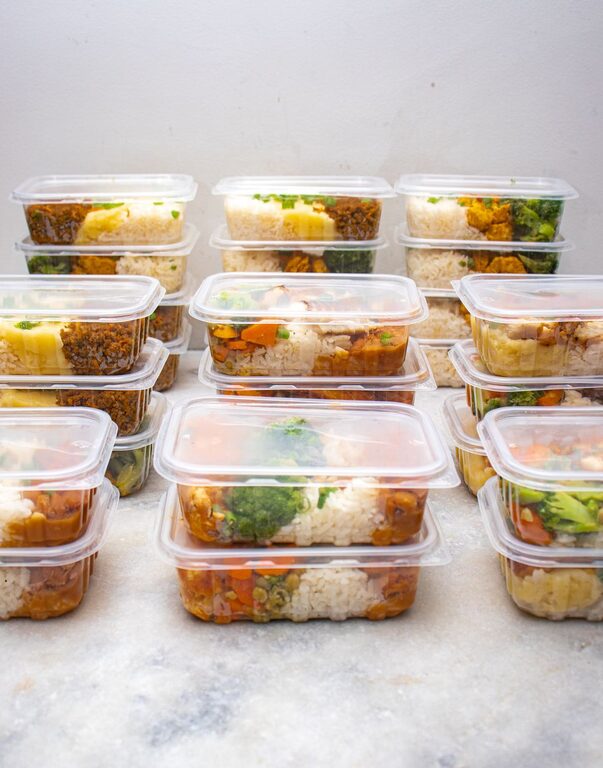
Batch cooking and prepping ingredients ahead of time can save valuable time on busy days. For example, chop vegetables, cook grains, or prepare proteins in larger quantities and store portions in the fridge or freezer. This way, assembling meals becomes quick and easy.
6. Keep Your Pantry and Fridge Stocked
Having staple ingredients on hand makes meal planning easier. Some essentials might include canned beans, frozen vegetables, whole grains, nuts, and herbs. When you have basics ready, you can improvise meals without last-minute grocery runs.
Keep Meals Balanced and Flexible
7. Follow the “Plate Method”
A simple visual guide is the plate method: fill half your plate with vegetables, one quarter with protein, and one quarter with grains or starches. This easy approach ensures your meal is balanced without needing to count calories or measure portions.
8. Mix and Match
To avoid boredom, mix different combinations of ingredients. For example, pair the same protein with different veggies or grains throughout the week. This variety keeps meals interesting and nutritionally diverse.
9. Don’t Fear Leftovers
Leftovers can be your best friend for stress-free meals. Cook extra portions and enjoy them for lunch or dinner the next day. You can also repurpose leftovers into new dishes—for example, turning roasted vegetables into a soup or frittata.
Additional Tips for Stress-Free Meal Planning
– Keep recipes simple: One-pot meals, sheet pan dinners, or slow cooker recipes reduce cleanup and prep time.
– Listen to your body: Eat when hungry and stop when satisfied. Balanced eating doesn’t mean perfection every meal.
– Include treats: Allow yourself occasional indulgences. Balanced eating is sustainable when it includes foods you enjoy.
– Stay hydrated: Drink water throughout the day to support digestion and overall health.
Sample One-Week Balanced Meal Plan
Here’s an example to get you started:
| Day | Breakfast | Lunch | Dinner |
|———–|——————————-|—————————–|———————————|
| Monday | Oatmeal with fruit & nuts | Turkey sandwich with salad | Baked salmon, quinoa, and spinach|
| Tuesday | Greek yogurt with berries | Lentil soup with whole-grain bread | Stir-fry chicken with vegetables and brown rice|
| Wednesday | Smoothie with spinach and banana| Mixed greens with chickpeas and avocado| Pasta with tomato sauce and roasted veggies|
| Thursday | Whole-grain toast and eggs | Quinoa salad with veggies | Beef and vegetable stew |
| Friday | Cottage cheese with pineapple | Grilled vegetable wrap | Tofu curry with brown rice |
| Saturday | Pancakes with fresh fruit | Chicken Caesar salad | Homemade pizza with whole wheat crust and veggies|
| Sunday | Scrambled eggs and tomatoes | Leftover stew | Roasted chicken with sweet potato and green beans|
Final Thoughts
Planning balanced meals doesn’t have to be a source of stress. Focus on simplicity, preparation, and flexibility. By taking small, manageable steps and using helpful tools like meal planners and batch cooking, healthy eating becomes a natural part of your routine. Remember, it’s about balance, enjoyment, and nourishing your body—one meal at a time.