
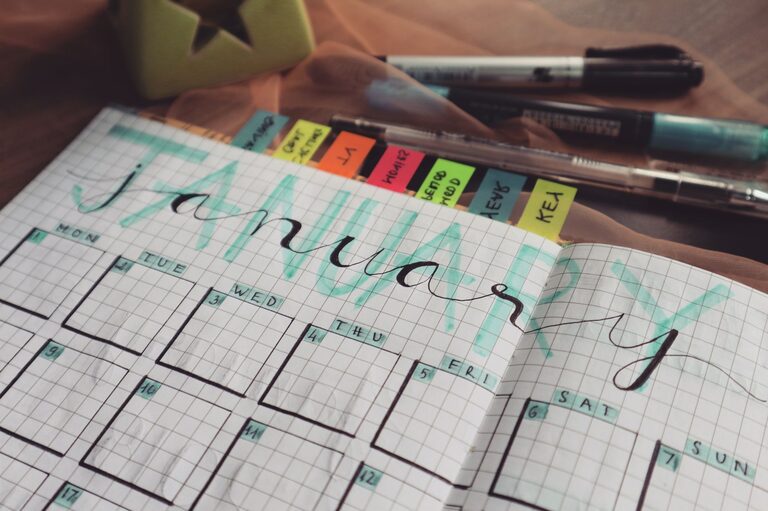
Taking time to unwind is essential for maintaining balance in our busy lives. A no-stress weekend can help you recharge, improve your mood, and prepare you for the week ahead. But how exactly do you plan a weekend that truly feels relaxing and stress-free? In this post, we’ll walk through practical tips and strategies to create the perfect no-stress weekend tailored just for you.
Why Plan a No-Stress Weekend?
Without planning, weekends can sometimes feel as hectic as weekdays. Errands, social obligations, and trying to “do it all” may leave you more tired than refreshed. Intentional planning helps:
– Avoid last-minute rushes
– Prioritize activities that bring joy and calm
– Ensure you have time to rest physically and mentally
By setting clear intentions, you increase the chances of a peaceful, enjoyable weekend.
—
Step 1: Set Realistic Expectations
Start by reminding yourself that a no-stress weekend doesn’t mean doing nothing or forcing relaxation. It means reducing pressure, focusing on what matters most, and allowing yourself to be fully present.
– Accept that some chores or tasks might take time
– Avoid overbooking your schedule
– Know it’s okay to say no to plans that don’t feel relaxing
—
Step 2: Plan Ahead But Stay Flexible
Creating a loose outline for your weekend can help you feel more in control without the pressure of a busy itinerary.
Sample Weekend Plan Framework
| Time | Activity | Notes |
|—————-|————————–|——————————-|
| Friday evening | Light dinner + unwind | Listen to music or read a book |
| Saturday morning | Gentle exercise or walk | Fresh air and movement |
| Saturday afternoon | Hobby time or social | Something enjoyable but low-key|
| Saturday evening | Movie or relaxing bath | Time for self-care |
| Sunday morning | Slow breakfast + journaling| Reflect and set intentions |
| Sunday afternoon | Outdoor time or nap | Recharge before the week |
Remember to adjust this framework based on your needs and preferences.
—
Step 3: Create a Relaxing Environment
Your surroundings play a big role in your ability to unwind.
– Declutter your space before the weekend begins
– Use soft lighting such as lamps or candles in the evening
– Play calming music or nature sounds
– Keep your phone on “Do Not Disturb” for set periods
A peaceful environment encourages relaxation and minimizes distractions.
—
Step 4: Prioritize Rest and Sleep
Good sleep is the foundation of a stress-free weekend.
– Try to maintain a consistent sleep schedule, even on weekends
– Avoid screens at least an hour before bed
– Create a bedtime ritual like reading or meditation
– Keep your bedroom cool, dark, and quiet
Allow yourself to nap if you feel tired, but keep naps short (20-30 minutes) to avoid disrupting nighttime sleep.
—
Step 5: Nourish Your Body Mindfully
Eating well supports your overall mood and energy levels.
– Prepare simple, healthy meals ahead of time to reduce cooking stress
– Enjoy your food without distractions to engage your senses
– Stay hydrated with water, herbal tea, or infused water
– Treat yourself to a favorite comfort food in moderation
Mindful eating helps you connect with your body and promotes relaxation.
—
Step 6: Engage in Gentle Movement
Physical activity can reduce stress hormones and boost endorphins, but avoid anything too intense that might cause fatigue.
– Go for a leisurely walk in nature
– Try gentle yoga or stretching
– Dance to your favorite music at home
– Practice deep breathing exercises or tai chi
Even small amounts of movement can help clear your mind and relax your body.
—
Step 7: Limit Digital Overload
Technology can be both a source of stress and distraction.
– Set specific times to check emails or social media
– Use apps that promote mindfulness or meditation
– Replace screen time with reading, journaling, or hobbies
– Avoid watching news or stressful content during your weekend
Creating space from screens helps you recharge mentally.
—
Step 8: Do Activities You Truly Enjoy
Fill your weekend with hobbies and activities that bring you happiness and calm.
– Reading a favorite book or magazine
– Painting, knitting, or crafting
– Cooking or baking something new
– Listening to podcasts or music
– Spending quality time with loved ones
Doing things you love boosts your sense of joy and reduces stress.
—
Step 9: Practice Mindfulness and Gratitude
Slowing down to appreciate the present moment can deepen your relaxation.
– Take a few minutes each day to focus on your breath
– Notice the sights, sounds, and smells around you
– Write down three things you’re grateful for each day
– Use guided meditation apps for support
Mindfulness encourages a calm, centered mindset.
—
Step 10: Reflect and Adjust for Next Time
After your no-stress weekend, take a moment to review what worked well and what didn’t.
– Which activities helped you feel relaxed?
– Did anything cause unexpected stress?
– How can you improve your weekend plan?
Learning from experience helps you create even better weekends in the future.
—
Final Thoughts
Planning a no-stress weekend is about making intentional choices to care for your mind and body. By setting realistic goals, creating a peaceful environment, prioritizing rest, and including activities you enjoy, you can create weekends that refresh and restore you. With a little practice, stress-free weekends can become a natural part of your routine.
Remember, the key is balance—enough structure to feel calm, and enough flexibility to enjoy the moment. Here’s to many relaxing weekends ahead!